At the IGTP TODAY

News

A project on an innovative tool for cancer surgery, selected in the 2025 CaixaImpulse call

The "la Caixa" Foundation has announced the results of the 2025 call for proposals for its CaixaImpulse program, through which it supports 31 biomedical projects from research centres, hospitals and universities in Spain and Portugal. A project coordinated by IIS IGTP led by Ana Piqueras (HUGTiP) has been selected in the call to continue with the development and implementation of a medical device to find and remove cancer cells more accurately during surgery.

A community-based action led by IGTP facilitates screening and access to treatment for viral hepatitis among migrant populations in Catalonia

On the occasion of World Hepatitis Day, IGTP presents the results of the HepBClink project, which has combined community educational actions on hepatitis B and C with screening and referral to treatment for migrants from Pakistan, Senegal and Romania. The project has involved the participation of the DxEpiPath group at IGTP and is part of the Tranversal Program CORE.

A new European study with the participation of GCAT reveals that the combination of urban environmental factors increases asthma risk

Researchers from GCAT have taken part in a study on the effects of various environmental factors on the risk of developing asthma over the course of life. The study involved nearly 350,000 participants from European cohorts and used geolocation technologies and satellite imagery to estimate exposure to different environmental elements. The results show a clear link between urban conditions and an increased risk of asthma.

- Campus Can Ruti, Research

New insights into heart scar tissue could improve treatment after heart attacks

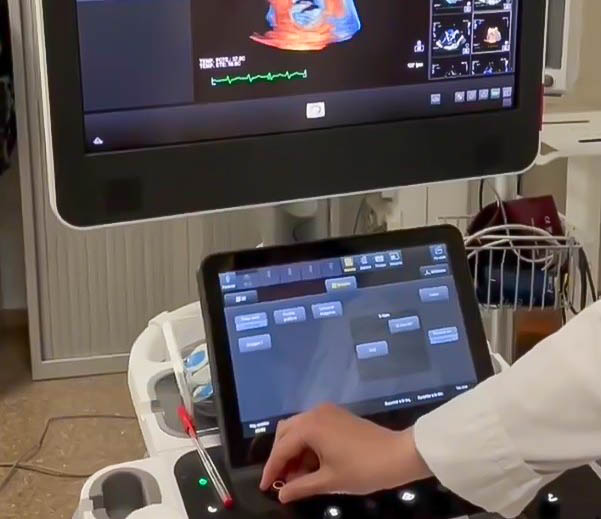
A team of researchers from the IGTP has taken a step forward in understanding the complex structure of heart scars that form after a myocardial infarction. Using a porcine model, the group found an association between specific electrical patterns and structural characteristics of the scar, offering a new approach that may guide more targeted and effective treatments for arrhythmias. The results have been published in the journal Heart Rhythm.